- Rebranding
SCNX Rebrand Journey (formerly SparesCNX)

SCNX (formerly SparesCNX) was a Singapore-based technology company operating in the industrial and maritime space, focused on improving how organizations manage spares procurement and maintenance inventory. SparesCNX aimed to modernize a traditionally manual and fragmented industry by bringing real-time visibility, workflow tooling, and operational reliability to inventory and procurement processes.
As the company matured, it became clear that the existing brand identity and narrative did not fully reflect the scale of its ambition, the sophistication of its product vision, or the credibility required to sell into complex B2B environments. The rebrand from SparesCNX to SCNX was designed to elevate the brand beyond a functional name, clarify positioning, and create a strong identity system aligned to enterprise buyers and operational teams.
I led this initiative as Head of Product Design, accountable for end-to-end rebranding strategy and execution. This included discovery, framework facilitation, stakeholder alignment, brand identity definition, and full visual system rollout—spanning strategy through implementation across digital and physical touchpoints. A key success factor was executive alignment. I secured buy-in from C-level stakeholders, including the CEO, and facilitated the rebrand as a structured transformation programme rather than a “creative refresh.”

The Challenge
In B2B technology—especially in industrial and maritime contexts—brand matters in a different way than consumer products. Buyers look for trust, operational credibility, and clarity of value, while end-users need tools that feel intuitive and practical. SCNX’s previous identity lacked cohesion across messaging, visual system, and product expression, making it harder to communicate the company’s strengths and differentiate from incumbents.
This wasn’t simply a design problem. It was a brand identity clarity challenge: the organization needed a shared understanding of what SCNX stood for, how it should sound, and what it should signal to customers—across every touchpoint, from product to sales to marketing.
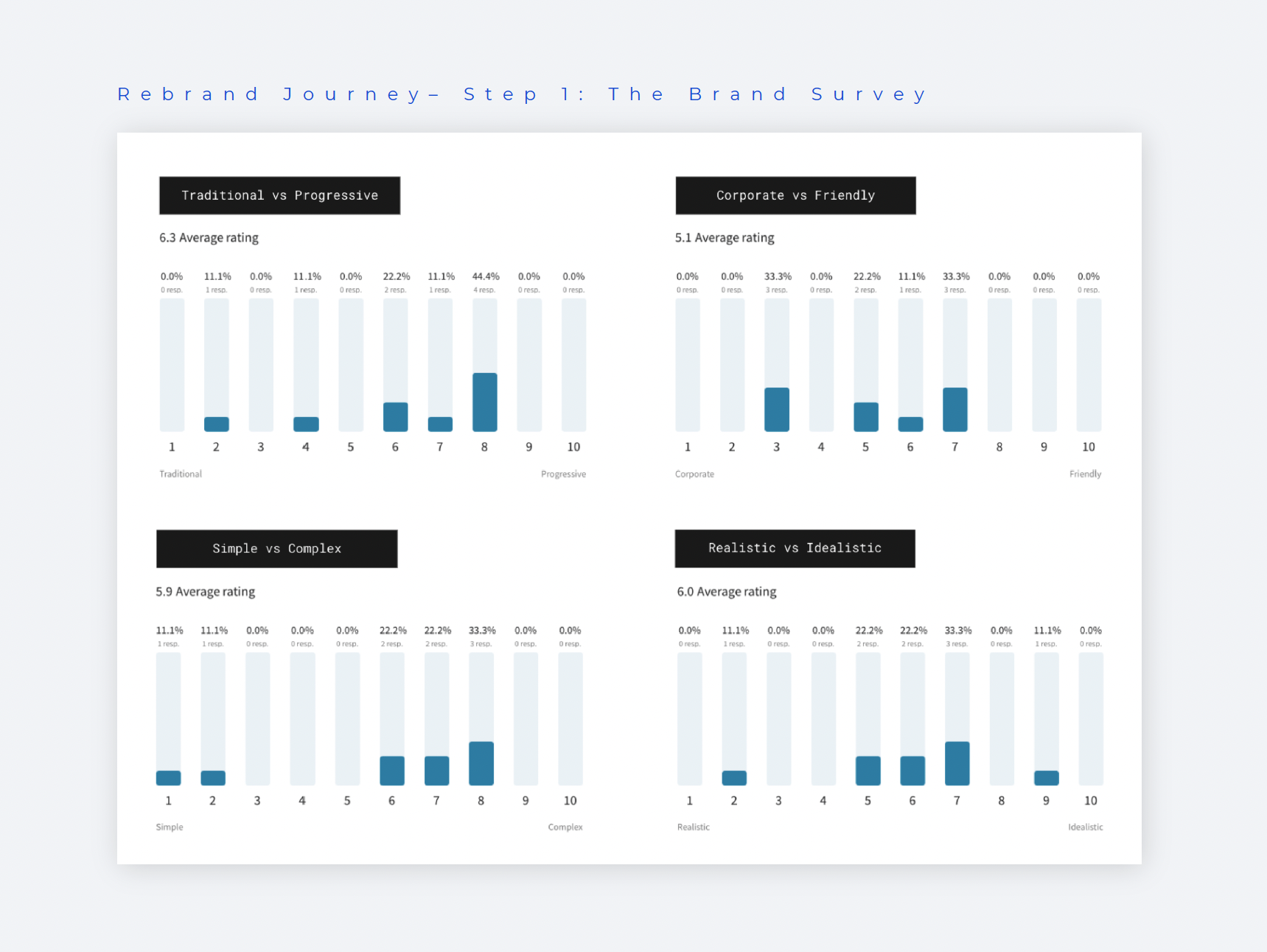
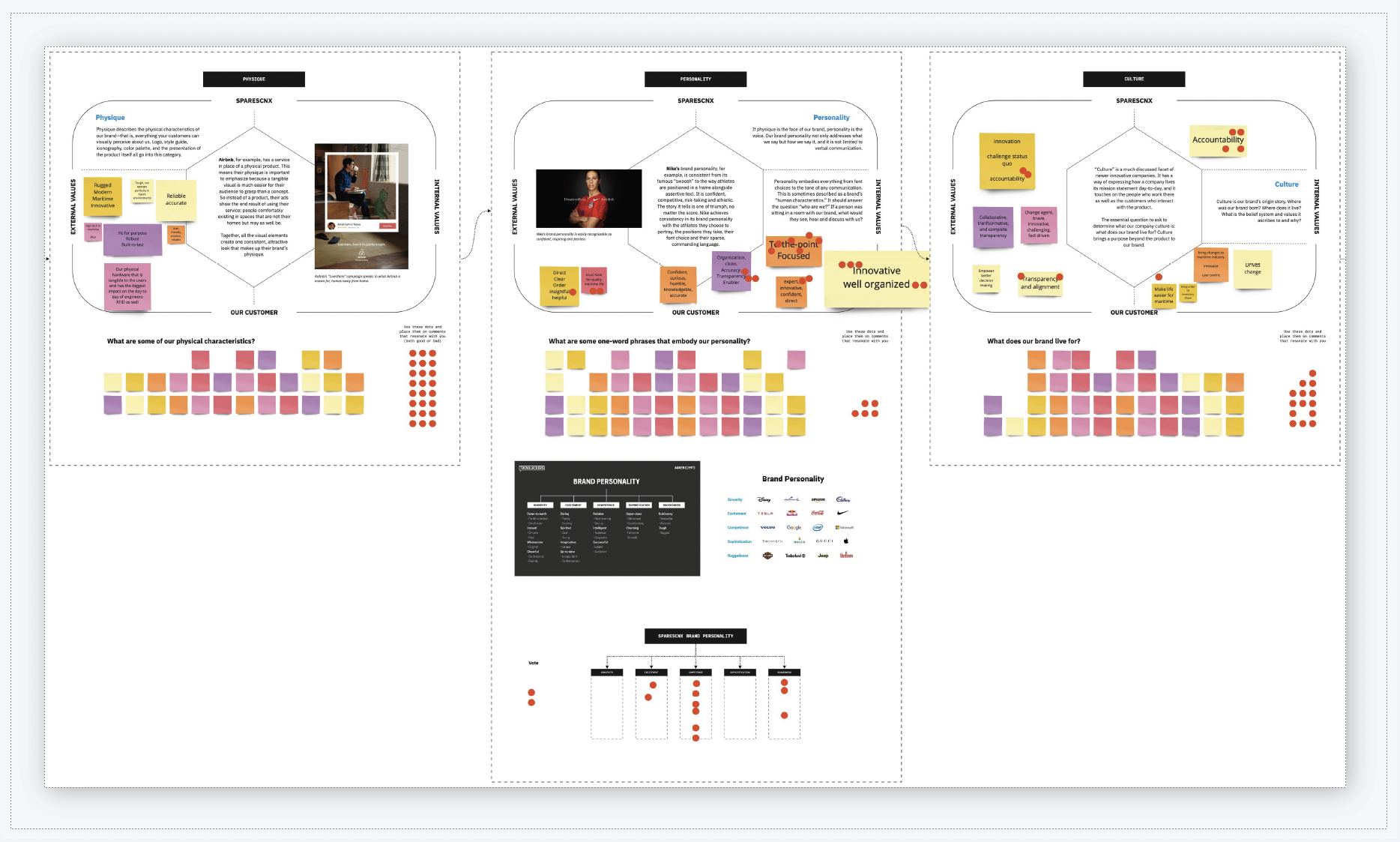
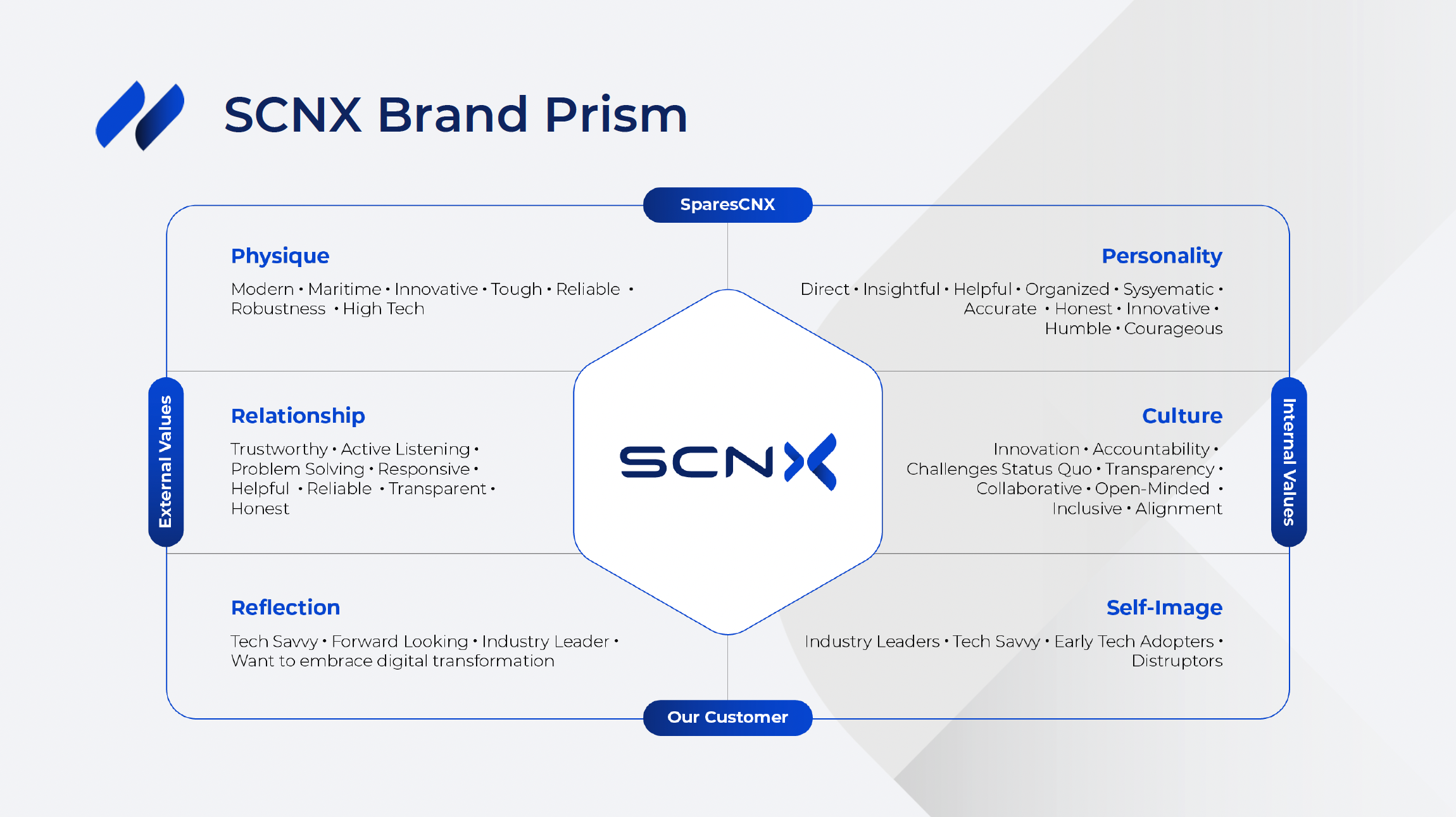
Approach: Kapferer’s Brand Identity Prism (Strategic Foundation)
To ensure the rebrand was grounded in a robust and proven model, I led the strategy using Kapferer’s Brand Identity Prism, a framework that defines brand identity through six facets: Physique, Personality, Culture, Relationship, Reflection, and Self-Image.
This was one of the most important parts of the project because it enabled the leadership team to move from subjective opinions (“what looks premium”) to shared strategic clarity (“who we are as a brand and how we should be experienced”). It provided a structured way to translate internal values into external customer meaning—and ensured the brand would be coherent both internally and in-market.
Discovery & Alignment Programme (5+ Months)
The rebrand was deliberately executed as a rigorous discovery + alignment programme. Over 5+ months, I led:
5+ workshops with leadership and stakeholders to drive alignment and convergence
customer perception surveys to understand how the market viewed the company and where credibility gaps existed
review of customer demos and customer profile information to ground positioning in real workflow needs
structured synthesis and decision-making sessions to finalize the brand model
The outcome of this phase was not simply “insights.” It was organizational clarity: a shared understanding of SCNX’s identity that the company could consistently express across product and go-to-market.
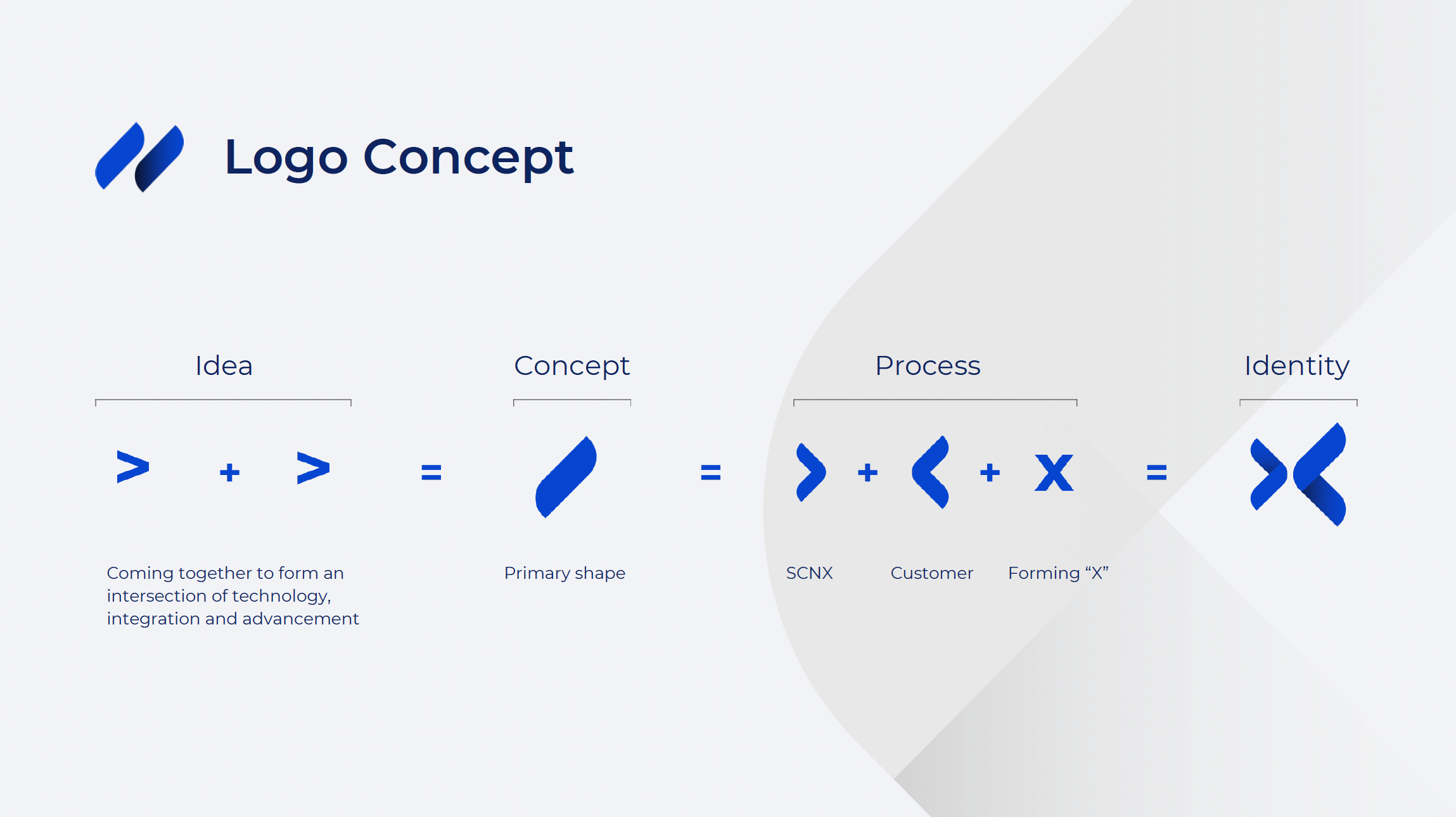

Rebrand Execution: From SparesCNX to SCNX
Based on the strategic direction, the company transitioned from SparesCNX to SCNX, a name with stronger scalability and a more modern enterprise tone.
From there, I led full identity execution across:
logo redesign (before/after) with clear concept rationale
product logo system for brand architecture consistency
color palette and typography
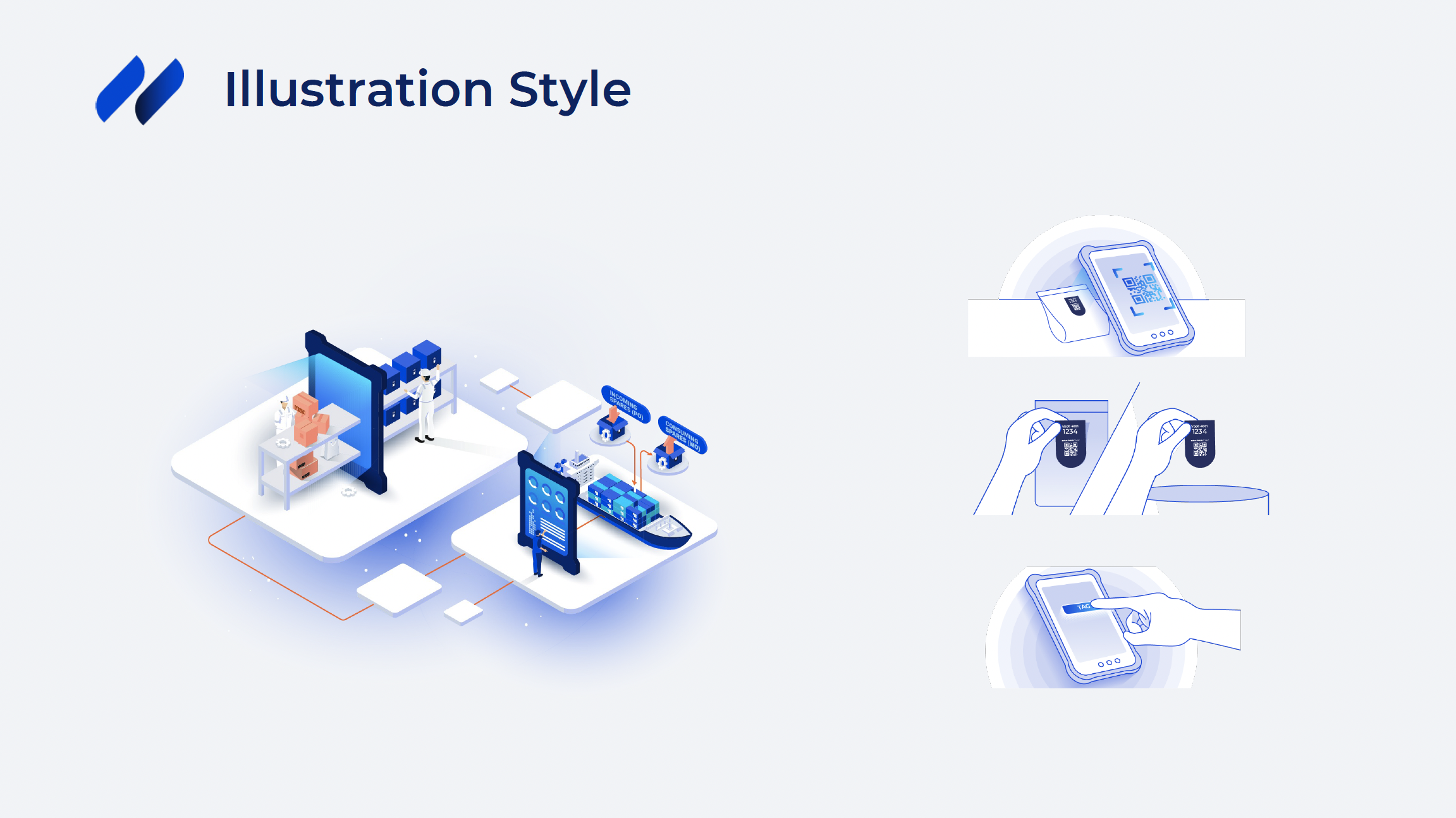
iconography and illustration system
tone of voice and messaging direction
rollout-ready templates across business functions
This ensured the rebrand wasn’t limited to a “logo reveal”—it became a complete identity system the company could operationalize.
Digital Product Rebrand (Web + Native App)
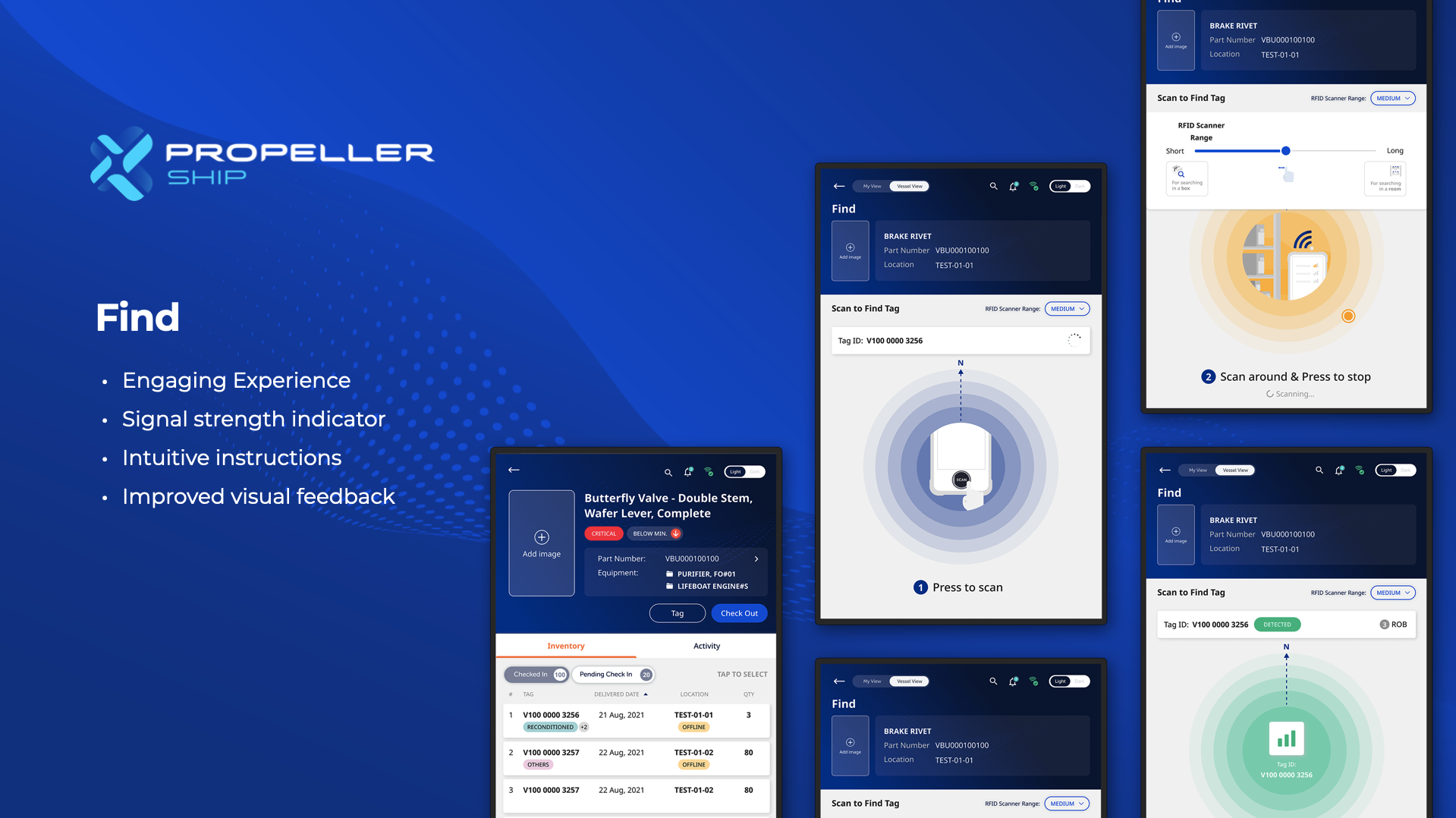
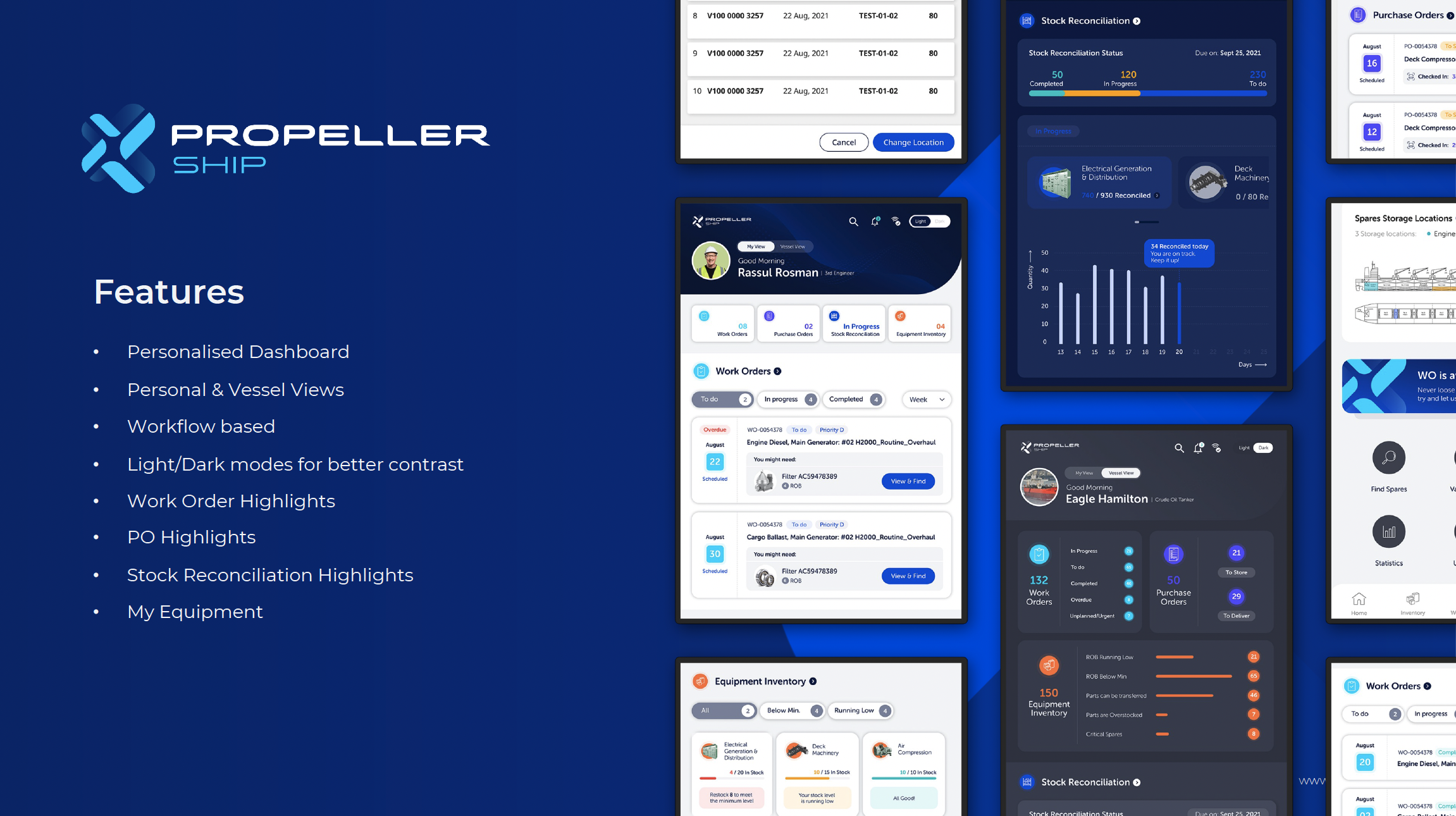
A major component of the rebrand was ensuring the new SCNX identity was reflected consistently across the actual product experience. As part of the programme, we rebranded all digital products, including both the web platform and the native mobile application, aligning UI, navigation surfaces, visual language, and overall product expression with the new brand identity.
This ensured customers experienced the rebrand not only through marketing and collateral, but directly inside the tools they used—reinforcing credibility, consistency, and a modern enterprise-grade product feel.
Rollout: Applying the Brand System Across Touchpoints
Brand systems fail when they remain theoretical—they succeed when they become usable and embedded in day-to-day execution.
As part of rollout, I directed application of the SCNX brand across a full ecosystem including:
website and presentation templates
business and go-to-market assets
physical materials such as signage, posters, packaging, and collateral
This ensured every touchpoint—from product demo to printed materials—reinforced the same identity.
Outcomes / Impact
Although the company is no longer active, this rebrand delivered a complete transformation programme that created:
a clear identity model aligned with leadership and customer expectations
stronger cohesion between product experience and external brand perception
a scalable system and toolkit that enabled consistent execution across teams
Most importantly, it demonstrated how structured brand strategy—combined with practical implementation—can elevate a B2B tech company’s credibility, clarity, and perception in-market.
Final Thoughts
This work reflects what modern experience leaders are increasingly responsible for: not only designing screens, but defining the systems and principles that allow organizations to deliver high-quality digital experiences repeatedly. It demonstrates my ability to translate brand intent into scalable digital execution frameworks, influence cross-functional teams through governance and principles, and operationalize “good design” into practical standards that improve customer outcomes.
In consultancy terms, this project shows how I work as a change agent—building the foundations that enable Fortune 500-scale organizations to ship digital experiences that are coherent, human-centered, and consistent across every touchpoint.